
UNIVERSITÄT
Das zeichnet uns aus:
9 Institute, exzellente Lehre, spitzen Betreuungsverhältnisse, hoher Praxisbezug und Forschung am Puls der Zeit.


Die Fakultät für Technische Wissenschaften besteht seit 2007, wobei der Fachbereich für Informatik bereits 1986 und der Fachbereich für Mathematik und Statistik 1974 gegründet wurde. Die Fakultät umfasst aktuell neun Institute.
Hervorragende wissenschaftliche Resultate, Forschungsprojekte und Kooperationen mit Unternehmen bilden das Fundament von folgenden international sichtbaren Stärkefeldern der Fakultät:
Die im Vergleich zu anderen Universitäten sehr guten Betreuungsverhältnisse an der Fakultät ermöglichen einen kontinuierlichen und förderlichen Austausch zwischen Lehrenden und Studierenden auf allen Ebenen. Dadurch kann die Fakultät ihren Studierenden eine auf die persönlichen Bedürfnisse abgestimmte Lehre anbieten, die sich einerseits an den neuesten wissenschaftlichen Erkenntnissen orientiert und andererseits durch Forschungsprojekte mit Firmen einen hohen Praxisbezug sicherstellt. Die Informatik-Institute sind zudem Mitglied bei Informatik Austria.
Wesentliche Ziele der Fakultät sind:
9 Institute, exzellente Lehre, spitzen Betreuungsverhältnisse, hoher Praxisbezug und Forschung am Puls der Zeit.
Institut für Vernetzte und Eingebettete Systeme
Forschungsgruppen:
Institut für Intelligente Systemtechnologien
Forschungsgruppen:

Institut für Artificial Intelligence und Cybersecurity
Forschungsgruppen:
Institut für Informatik-Systeme
Forschungsgruppen:
Institut für Informationstechnologie
Forschungsgruppen:

Institut für Mathematik
Forschungsgruppen:
Institut für Statistik
Forschungsgruppen:
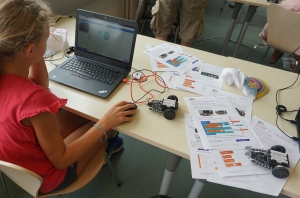
Institut für Informatikdidaktik
Institut für Didaktik der Mathematik
Technik-Studierende
TEWI-Kooperationspartner
TEWI-Partneruniversitäten
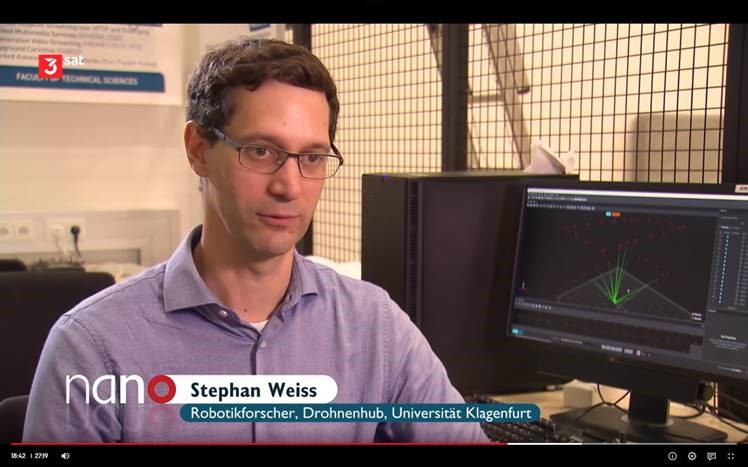
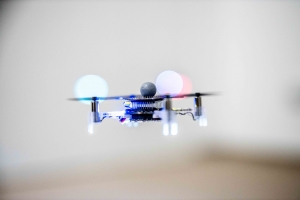
Auf unserem Campus steht Europas größte Drohnenflughalle. Die Fernsehsendung »nano« von 3sat berichtet über den internationalen Drohnenhub in Klagenfurt und insbesondere über unsere Drohnenforschung am Mars!
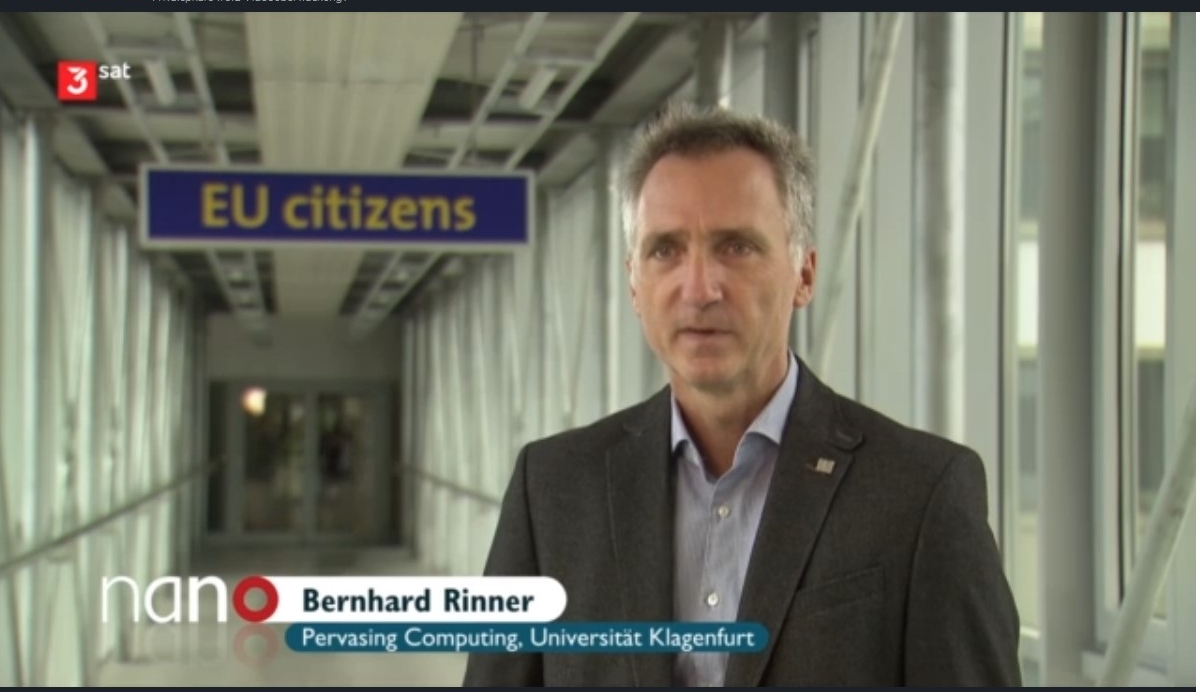
Einzelpersonen können durch hoch moderne Überwachungskameras selbst in Menschenmassen erkannt werden, so können z. B. Täter schnell identifiziert werden. Die Fernsehsendung »nano« von 3sat berichtet über eine Kamerasoftware, die Wissenschafter*innen der Universität Klagenfurt entwickelt haben. Diese Kamerasoftware zeigt, wie Privatspähre machbar ist.
Euvation Podcast, Episode 51: From the University of Klagenfurt
In this episode, TECHNIKON invited students from the University of Klagenfurt to host their own show to examine some of the ethical issues in their field of study. Claudia Maußner and Nikita Soldatov spoke with Professor Carmela Troncoso of EPFL in Switzerland, who heads the Security and Privacy Engineering Lab. She was one of the key designers of the exposure notification protocol DP3T, which most contact tracing apps are currently using.
Euvation Podcast, Episode 52: From the University of Klagenfurt
In this episode, TECHNIKON invited students from the University of Klagenfurt to host their own show to examine some of the data privacy issues in post COVID world. Sabrina Strauß and Thomas Marquet spoke with cryptographer and cryptanalyst Bart Preneel of KU Leuven in Belgium. He was involved in the early stages of the Green Passport.